Soft Landscaping in Stratford
If you are looking for soft landscaping in Stratford, you are likely after more than a quick tidy-up. You may want a garden or outdoor space that feels welcoming, practical, and suited to the way you live or work. Whether it is a small courtyard near Stratford town centre, a family garden in a residential street, or a larger commercial frontage that needs a polished first impression, the right planting and finishing touches can transform the space without changing its character.
Soft landscaping covers the living, natural elements of an outdoor area. That means turfing, planting, soil preparation, border creation, mulch, shrubs, seasonal colour, hedge work, and the finishing details that make a garden feel complete. In a busy area like Stratford, where properties can range from period homes and terraced houses to newer developments and business premises, soft landscaping has to be both attractive and practical. It also has to work with access limits, parking restrictions, shared entrances, and the realities of local maintenance.
For local customers, choosing a team that understands soft landscaping Stratford needs means choosing people who can plan around the space you actually have, not the space you wish you had. That may involve working carefully in narrow side passages, coordinating delivery of materials into a back garden, or selecting planting that suits shade, traffic, pets, children, or busy commercial use. A good result should look natural, last well, and be manageable over time.
What soft landscaping means for Stratford properties

Soft landscaping is the part of garden and outdoor improvement that brings life, colour, and structure to a space. Unlike hard landscaping, which includes paving, retaining walls, and other built features, soft landscaping focuses on soil, plants, turf, and the living details that change through the seasons. In Stratford, that often means creating an outdoor area that feels green and usable even where space is limited.
For homeowners, this might mean turning a patchy lawn into a neat turf area, adding a border that improves curb appeal, or replacing tired planting with a more balanced layout. For landlords and letting agents, it may be about creating an outdoor area that is easier to maintain and more appealing to prospective tenants. For local businesses, soft landscaping can help make a shopfront, office entrance, school, nursery, or hospitality venue feel cared for and approachable.
Because Stratford includes a mix of property styles and outdoor conditions, soft landscaping often needs a tailored approach. A shaded side return may need ground cover and hardy planting, while a sunny front garden may suit seasonal colour and low-maintenance shrubs. The aim is not simply to fill space, but to create a setting that suits the property, the usage, and the level of upkeep you want to commit to.
Why local customers choose soft landscaping
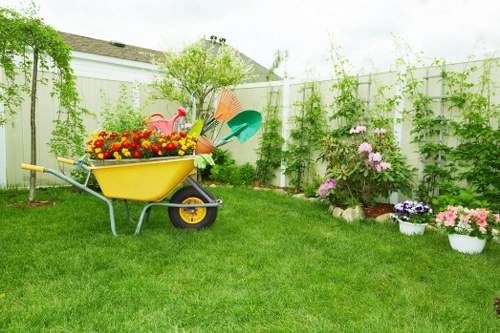
Many customers in Stratford start with the same challenge: the outdoor space is there, but it is underused, uneven, muddy, overgrown, or simply not aligned with how they want to live. Soft landscaping offers a flexible way to improve that space without the disruption of a complete structural rebuild. It can freshen up a garden quickly, or form part of a wider outdoor redesign alongside paving, edging, fencing, or drainage adjustments.
Local customers often value the fact that soft landscaping can be adapted to different budgets, timelines, and site conditions. A small improvement might focus on lawn repair, border tidy-up, and new planting. A larger project might involve regrading soil, installing fresh turf, creating defined planting beds, and selecting trees or shrubs that provide privacy and seasonal interest. In commercial settings, low-maintenance planting and durable turf can help reduce the amount of ongoing care needed while keeping the site presentable.
There is also a practical local advantage to using a Stratford-based team or one that regularly works in the area. Access routes, parking, delivery timing, and waste removal all matter. Streets around busy parts of Stratford can be tight, and some homes have limited front access or no direct vehicle approach to the rear garden. A local team is more likely to plan the work around those realities, helping the project run more smoothly from the first visit through to completion.
Services included in soft landscaping

Soft landscaping can include a wide range of work depending on the condition of the site and the outcome you want. It is often best thought of as a set of connected tasks that improve the health, appearance, and usability of the outdoor area. The exact combination will vary, but the aim is always to create a space that feels intentional and easy to enjoy.
Common soft landscaping services in Stratford include turfing, lawn renovation, planting design, shrub and hedge installation, border creation, mulching, soil improvement, seasonal bedding, and general garden rebalancing. Some projects also involve removing old, tired planting, replacing poor-quality topsoil, or reshaping beds so that rainwater drains more naturally and plants establish better.
In practice, many local customers ask for one or more of the following:
- New turf laid on prepared ground for a fresh, even lawn
- Planting schemes that add colour, structure, or privacy
- Border design with defined edges and mulched finish
- Hedge planting or reshaping for screening and boundary softening
- Soil improvement for tired or compacted garden beds
- Low-maintenance planting for busy households or commercial premises
- Seasonal planting to keep entrances and front gardens looking smart
- Garden refreshes for rental properties between tenancies
How soft landscaping differs from hard landscaping
Soft landscaping is all about living materials. It changes over time, needs the right conditions to thrive, and gives an outdoor space texture and movement. Hard landscaping, by contrast, is the structural side of the garden. Both matter, and they often work best together. A paved area feels more complete when softened with planting, while a garden feels more usable when lawns, paths, and beds are clearly defined.
For Stratford property owners, the right balance between hard and soft elements is often what makes the space feel finished. A courtyard can be made calmer with planters and climbers. A front garden can become more welcoming with layered planting and a tidy lawn edge. A commercial property can look more professional with neat, durable greenery that does not overgrow entrances or obstruct sightlines.
How a soft landscaping project usually works

Every site is different, but a good soft landscaping project usually follows a clear process. That process helps the finished result look better and last longer, because it starts with the condition of the ground and the needs of the customer rather than just the final appearance. In Stratford, where access and existing layouts can vary a lot, planning matters just as much as the planting itself.
The work often begins with a discussion about how you want the space to function. Do you need a lawn for children or pets? Are you trying to create privacy? Is the area mainly decorative, or does it need to be easy to maintain? Once those priorities are clear, the site can be assessed for light levels, drainage, soil quality, access, and any features that should be kept or removed.
A typical soft landscaping process may include:
- Initial assessment of the garden or outdoor area
- Clearing unwanted growth, waste, or failing planting
- Preparing the soil with the right improvements
- Setting out borders, planting beds, or lawn areas
- Installing turf, plants, shrubs, or other selected materials
- Finishing with watering, edging, mulching, and tidy-up
Why preparation is so important
Soft landscaping looks best when the groundwork has been done properly. If soil is compacted, too dry, full of debris, or poorly drained, plants may struggle and lawns may become patchy. Good preparation helps roots establish, reduces future problems, and gives the project a stronger chance of success. That is particularly relevant in urban and mixed-use parts of Stratford, where older gardens may have been altered many times over the years.
When a project is properly prepared, the result is not only more attractive but also more practical. A lawn establishes more evenly. Shrubs settle better into the bed. New planting needs less rescue work later on. This is one reason local customers often prefer a service that includes proper site preparation rather than just surface-level planting.
Soft landscaping for homes across Stratford

Residential customers in Stratford often want a garden that feels easier to use and more enjoyable day to day. That could mean a cleaner lawn for children to play on, a more private space for relaxing, or a front garden that makes the property look cared for from the street. Even a modest update can make a surprising difference when the planting and layout are chosen well.
Terraced houses and homes with narrow access can benefit from carefully planned planting that does not overwhelm the space. Townhouse gardens may suit layered borders, raised planting, and compact shrubs that provide year-round structure. New-build gardens often need soil improvement and a more varied scheme because the space can feel flat or unfinished. Older gardens may need a reset after years of mixed planting, poor edging, or bare patches in the lawn.
Local homeowners also tend to look for balance: a garden that is attractive but not high-maintenance, green but not difficult to care for, and personal without becoming cluttered. A well-designed soft landscaping plan can achieve that by matching plant choice and layout to the size of the property, the amount of sun, and the time available for upkeep.
Useful residential options
Popular home-focused improvements include turf replacement, border planting, evergreen screening, pollinator-friendly planting, and smart front-garden makeovers. Many Stratford homeowners also ask for seasonal planting in planters or beds to keep the space looking fresh throughout the year. If you want a garden that feels finished without requiring constant attention, low-maintenance planting can be an excellent choice.
Soft landscaping for commercial premises
Businesses in Stratford also benefit from well-planned soft landscaping. First impressions matter, and the outdoor areas around offices, schools, hospitality venues, retail units, and mixed-use buildings often influence how people feel before they even step inside. Neat planting, healthy turf, and a well-kept entrance can signal professionalism and care.
Commercial soft landscaping usually needs to be practical as well as attractive. Plants should be selected with durability in mind, and the layout should avoid blocking entrances, walkways, visibility, or maintenance access. Some sites require planting that can cope with regular foot traffic nearby, while others need a polished, low-maintenance finish that stays presentable with minimal intervention.
For landlords and property managers, soft landscaping can also help keep communal spaces in better condition between larger works. Clean borders, tidy shrub beds, and healthy grass areas are easier to present to tenants and visitors. In busy parts of Stratford, where daily use and footfall can be high, choosing the right planting approach can make maintenance more manageable over time.
What businesses usually want from the service
- A tidy, professional look at entrances and frontages
- Durable planting that suits frequent use
- Reduced ongoing maintenance
- Clear, safe access around doors and paths
- Seasonal colour without constant replanting
- Improved presentation for staff, visitors, and customers
Where commercial sites need work arranged outside busy hours or with limited disruption, local experience is especially valuable. A team used to Stratford properties is more likely to understand access constraints, deliveries, and how to keep the work site tidy throughout the job.
Challenges unique to Stratford and nearby areas
One of the reasons customers seek soft landscaping in Stratford from a local provider is that the area presents a mix of practical conditions. Some properties have limited off-street parking. Some gardens can only be reached through the house or a narrow side entrance. Others are part of developments where shared access, neighbours, and careful timing all matter.
Nearby parts of East London and surrounding neighbourhoods can also have different soil conditions, varying levels of shade, and a mix of old and new garden layouts. That means one-size-fits-all planting rarely works well. A knowledgeable team considers whether the space is exposed or sheltered, whether it holds moisture after heavy rain, and whether there is enough light for the species selected.
Practical local knowledge matters because it affects every stage of the job. Delivery vehicles need to be positioned with care. Waste may need to be removed in smaller loads. Materials may need to be carried by hand into rear gardens. Plants chosen for one street may not suit another, especially if conditions differ from front to back or from shaded to sunny areas.
Local detail that can make the difference
Good soft landscaping is not only about what is planted, but how the work is delivered. If a team can plan around parking restrictions, neighbour access, and restricted garden entrances, the project is less stressful and more efficient for everyone involved.
What is included in a typical quotation
When customers request a quote for soft landscaping, they often want to know what is likely to be included and what may change the final scope. A clear quotation should reflect the condition of the site, the type of planting or turf required, and the amount of preparation needed before installation begins. It should also reflect the practicality of access and the disposal of waste if existing materials need removing.
Although every project is different, quotes commonly take into account ground preparation, supply of turf or plants, soil improvement, edging, mulching, labour, and final tidy-up. If the project involves removing large amounts of overgrowth, replacing old borders, or working in an area with difficult access, those factors can affect the amount of time and materials needed.
Typical pricing factors may include:
- Size of the area to be landscaped
- Current condition of the soil and planting beds
- Type and quantity of plants, turf, or shrubs
- Need for old waste or vegetation removal
- Access to the rear garden or work area
- Any finishing elements such as mulch or edging
- Whether the site is residential or commercial
It is sensible to request a tailored quote rather than assume one garden will cost the same as another. Two spaces of similar size can differ greatly once the ground condition, access, and material choices are taken into account.
How to prepare for soft landscaping work
Good preparation from the customer side can help the work start more smoothly and reduce delays. You do not need to do the landscaping yourself, but a few simple steps make the site easier to assess and work on. This is especially helpful in Stratford properties where space may be tight or access may already be limited.
Before work begins, it helps to clear garden furniture, toys, planters, bins, washing lines, and any personal items from the area if possible. If there are pets, think about how they will be kept secure while the work is taking place. For shared entrances or rear access routes, it can also be useful to inform neighbours if temporary access will be needed.
Helpful preparation checklist:
- Decide what you want the space to be used for
- Remove small personal items from the working area
- Identify any plants or features you want to keep
- Check whether parking or access may need planning
- Make a note of problem spots such as shade, pooling water, or bare patches
- Think about ongoing maintenance levels you are comfortable with
Questions to ask before booking
If you are arranging soft landscaping for the first time, it can help to ask what preparation is included, what the recommended planting is for your conditions, and how much upkeep the finished space will need. You may also want to discuss whether you prefer instant impact, long-term structure, or a more natural look that will develop over time.
Why a local Stratford team is a sensible choice
Choosing a local company for landscaping work often makes the process easier from start to finish. A team familiar with Stratford is more likely to understand the mix of property types, traffic patterns, and access issues that can affect a job. They are also better placed to suggest planting and finishes that suit the local environment rather than offering generic ideas that may not hold up well in practice.
Local experience is especially useful when there is a need to coordinate deliveries, work around neighbours, or manage a site with limited outdoor storage. Because soft landscaping often involves living materials, timing matters too. Turf, shrubs, and plants need to be installed promptly and handled correctly, which is easier when the team is working regularly in the area.
Another advantage is that local customers usually want a service that feels responsive and practical. If the project scope needs adjusting after the site is seen in person, or if the customer wants to discuss low-maintenance alternatives, a nearby team can often respond more efficiently than one that travels from much further away. That can make a real difference when you are trying to improve your home or business without unnecessary disruption.
Areas covered around Stratford
Soft landscaping services in Stratford may also be relevant for nearby neighbourhoods and surrounding parts of East London, depending on the project and access. Customers often need help in mixed residential and commercial areas where gardens, courtyards, frontages, and communal spaces all have different requirements.
Areas commonly associated with local work may include nearby streets and districts around Stratford, as well as surrounding locations such as West Ham, Maryland, Forest Gate, Leyton, Plaistow, and the wider Newham area. Some projects may also involve sites near transport links, retail zones, or development areas where speed and tidy workmanship are especially important.
If your property is in or around Stratford and you are unsure whether the area can be covered, it is best to enquire directly and request a tailored quote. The exact scope of work, access, and scheduling can often be discussed during an initial assessment.
Frequently asked questions
How is soft landscaping different from general gardening?
General gardening is often ongoing maintenance, such as mowing, pruning, weeding, and tidying. Soft landscaping usually refers to a larger improvement project, such as new planting, turfing, border creation, or reworking the whole appearance and function of the space.
Can soft landscaping work in a small Stratford garden?
Yes. Small gardens often benefit greatly from carefully selected planting, structured borders, and a simpler layout. The key is choosing plants and finishes that suit the available light and do not overwhelm the space.
Is soft landscaping suitable for rental properties?
Absolutely. Many landlords and letting agents want outdoor areas that look clean, presentable, and easy to maintain. Soft landscaping can help improve the appeal of a rental without creating an overly demanding upkeep requirement.
Do I need a lawn, or can I choose planting instead?
You do not need a lawn. Some Stratford gardens work better with planting beds, ground cover, shrubs, or a mixed approach. The right choice depends on how the space will be used, how much sun it gets, and how much maintenance you want.
What if my garden has poor soil or drainage?
That is a common issue. The site can often be improved with soil conditioning, better bed preparation, or plant selections that cope better with the conditions. If drainage is a major concern, it should be considered before planting begins.
How long does a soft landscaping project take?
It depends on the size of the area, the amount of preparation needed, and the materials involved. A small refresh may take much less time than a full garden rework. A site visit is usually the best way to understand the likely timescale.
Book soft landscaping in Stratford
If your garden, frontage, or commercial outdoor space is ready for a fresh start, soft landscaping can be one of the most effective ways to improve it. From new turf and planting to border reshaping and low-maintenance finishes, the right approach can make the area more attractive, easier to care for, and better suited to daily use.
Whether you are a homeowner looking to improve a tired garden, a landlord preparing a property, or a business wanting a smarter outdoor presentation, a tailored soft landscaping service can help you get there. The best results usually come from a practical plan, sensible plant choices, and proper preparation from the start.
Contact us today to discuss your project, request a free quote, or book your service now. If you already have an idea of what you want, we can help shape it into a clear plan that suits your Stratford property and your budget.
For customers in Stratford, the value of local knowledge is hard to overstate. The right planting, the right preparation, and the right approach to access and delivery all contribute to a result that looks good now and continues to work well in the months ahead.